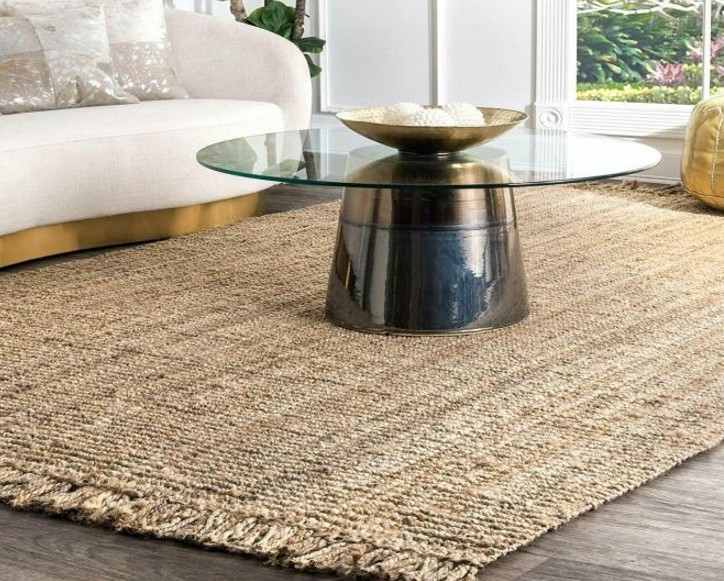
The choice of a rug can influence much more than the appearance of a room. Size, texture, colour and material all affect how furniture relates to one another and how comfortable and balanced an interior feels. While synthetic rugs remain widely available, natural fibre options have become increasingly interesting for homeowners looking for understated textures and materials with a more organic appearance.
Among these options, sisal rugs have a distinctive place. Made from natural plant fibre, sisal offers a firm woven texture, subtle colour variation and a simple appearance that can work across many interior styles.
Rather than being chosen purely as a decorative accessory, a sisal rug can become part of the overall design of a room, helping define spaces, connect furniture and introduce texture without overwhelming the interior.
What Makes Sisal Different?
Sisal is a natural fibre obtained from the leaves of the agave sisalana plant. The fibres are processed and used in various products, including ropes, textiles and floorcoverings.
For rugs, the fibre is commonly woven or constructed into textured surfaces. The result is quite different from a thick, plush rug.
Sisal generally has a more structured and tactile character. This makes it particularly appealing to people who prefer natural textures over highly soft or heavily patterned surfaces.
The visual character of sisal can also vary depending on the weave, colour and construction. Natural variation is part of the appeal rather than something that necessarily needs to be eliminated.
Why Are Sisal Rugs Popular in Interior Design?
One reason sisal works well in interiors is its ability to add texture without demanding attention.
A room with plain walls, timber furniture and neutral upholstery can sometimes appear visually flat. Introducing a textured rug adds another layer to the design.
Sisal can perform this role without introducing a strong decorative pattern.
This makes it suitable for interiors where the overall aesthetic is based around simplicity, natural materials and restrained colours.
It can complement contemporary, coastal, minimalist, Scandinavian and more traditional interiors, depending on the colour and weave selected.
Choosing the Right Size
One of the most common mistakes when buying a rug is focusing on colour before considering size.
A rug that is too small can make a carefully furnished room feel disconnected. A correctly sized rug, on the other hand, can visually bring furniture together.
In a living room, for example, the rug may be positioned so that at least the front legs of major seating pieces sit on it. In larger rooms, a bigger rug can accommodate the sofa, chairs and coffee table within a single visual area.
The ideal arrangement depends on the dimensions of the room and the furniture.
Before ordering a sisal rug, it is useful to measure the intended area and mark the proposed rug dimensions on the floor. This can be done with painter’s tape or even temporary sheets of paper.
Seeing the proposed size physically can reveal problems that may not be obvious from measurements alone.
Sisal Rugs in Open-Plan Homes
Open-plan homes create another interesting application for rugs.
When a living, dining and kitchen area share one large space, furniture alone may not clearly define each zone.
A well-positioned sisal rug can create a visual boundary around a seating area without blocking the openness of the room.
This is particularly useful in Australian homes where open-plan layouts are common.
The rug can provide a sense of structure while allowing the individual areas to remain visually connected.
Using similar natural tones across different areas can make the overall space feel cohesive.
Bedrooms and Quiet Spaces
Sisal rugs are not limited to living rooms.
They can also work in bedrooms, studies and home offices where a natural, understated floor treatment is desired.
A rug placed underneath or around the bed can create a defined area and introduce texture against timber, carpet or another hard floor.
However, comfort preferences should be considered.
Sisal has a relatively firm texture compared with wool or plush synthetic rugs. People who prefer a very soft surface underfoot may prefer a different fibre in areas where barefoot comfort is particularly important.
Home Offices and Workspaces
The home office has become an important part of residential interior design.
A sisal rug can help distinguish a work area from the rest of a room, especially where a dedicated office is not available.
For example, a desk and chair positioned over a suitably sized rug can visually establish a workspace within a larger bedroom or living area.
The rug also adds texture to an environment that might otherwise contain many hard surfaces such as desks, shelving and screens.
Chair movement should be considered before selecting the rug. A heavily textured surface may not be ideal underneath every type of office chair, so the particular use of the workspace matters.
Natural Colour and Interior Styling
Sisal is often associated with neutral and earthy colours, which makes it relatively easy to integrate into an existing interior.
Beige, sand, natural and muted tones can complement timber, stone, white walls and neutral upholstery.
A natural-coloured sisal rug can also provide a useful foundation for stronger furniture colours.
For example, a room containing dark timber, navy upholstery or deep green accents can benefit from a lighter natural rug that balances the overall palette.
The rug does not need to match every element in the room. Its role can simply be to connect several colours and materials.
Layering Sisal with Other Rugs
Layering rugs is another way to use sisal.
Because of its relatively restrained appearance, a sisal base can provide a neutral foundation for a smaller decorative rug placed above it.
This approach can be useful when a homeowner wants both natural texture and a stronger pattern or colour.
For example, a larger sisal rug can define a seating area while a smaller patterned rug creates a focal point underneath a coffee table.
The two rugs should have enough contrast in scale, texture or colour to appear intentional rather than accidental.
Sisal and Timber Floors
Natural fibre rugs and timber floors are a particularly natural combination.
Timber already introduces warmth and texture into an interior, while sisal adds another layer without competing strongly with the grain of the timber.
The contrast between the smooth or polished surface of the timber and the woven texture of the rug can make the room feel more layered.
The colour of the timber should still be considered when selecting the rug. A very similar tone can create a subtle monochromatic look, while a slightly contrasting shade can define the rug more clearly.
Care and Everyday Maintenance
Like any rug, a sisal rug benefits from regular maintenance.
Loose dirt and dust should be removed routinely rather than being allowed to accumulate within the fibres.
Entrance areas may require more frequent cleaning because outdoor dirt can be carried inside on footwear.
Spills should generally be addressed promptly, and cleaning methods should follow the recommendations for the specific rug.
Natural fibre rugs can respond differently to moisture than synthetic products, so excessive water or unsuitable cleaning methods should not be used without checking the manufacturer’s guidance.
Simple preventative measures can also help. Entrance mats, sensible furniture placement and regular vacuuming can all reduce unnecessary wear.
What About Children and Pets?
Families often wonder whether natural fibre rugs are suitable for homes with children or pets.
The answer depends on the specific product, household routine and expectations.
Sisal has a firm, textured surface that can be attractive from a design perspective, but it is not necessarily the best choice for every family environment.
Homes with frequent spills, heavy pet activity or a preference for very soft flooring may require a different rug material.
For households considering sisal, it is worth thinking about how the room is actually used rather than selecting the rug solely on appearance.
Understanding Natural Variation
A natural fibre rug should not always be expected to look completely uniform.
Variations in fibre, weave and colour can occur. These subtle differences are part of what gives natural rugs their character.
This is particularly relevant when a rug is placed in a large room where its texture becomes a significant visual element.
Instead of viewing every variation as a flaw, it can be useful to see it as evidence of the natural material.
That said, buyers should always inspect product samples where possible, particularly if colour consistency is important to the overall interior design.
Choosing a Sisal Rug for an Australian Home
Australian interiors often combine indoor and outdoor influences. Timber, stone, linen, natural colours and indoor plants are common elements in many contemporary homes.
Sisal fits naturally into this material palette.
However, Australian conditions also mean that practical considerations should not be ignored. Entry points, outdoor access, moisture, sunlight, pets and household traffic can all influence which rug is appropriate.
A rug that works beautifully in a low-traffic study may not be the right choice for a busy entrance.
Thinking about the location before choosing the material is therefore just as important as considering colour and design.
More Than a Decorative Accessory
A rug can change the proportions and atmosphere of a room without requiring major renovation.
Floorspace Sisal rugs are particularly interesting because they combine a relatively understated appearance with a noticeable natural texture. They can define seating areas, soften the transition between different surfaces and provide a visual connection between furniture and architecture.
The key is to select the right size, texture and location for the way the room is actually used.
For homeowners and designers exploring natural fibre flooring and rugs in Melbourne, Floorspace serves Melbourne and surrounding suburbs, providing access to natural flooring options that can be considered according to the requirements and character of each interior.